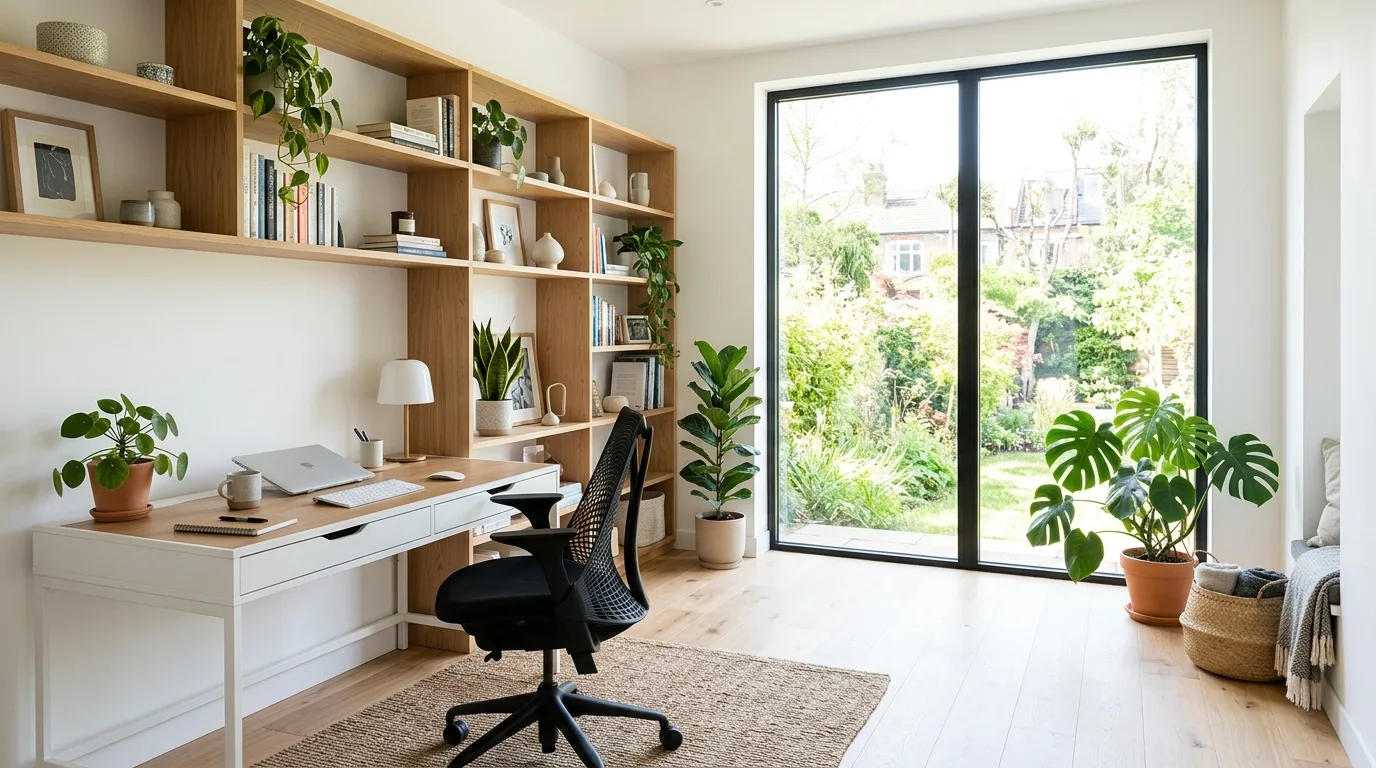
A productive home office should do more than hold a desk and chair. It should support focus, reduce friction, and give you enough inspiration to keep moving through your work with clarity and energy.
Ideas to try
1. Start With a Desk Area That Feels Clear
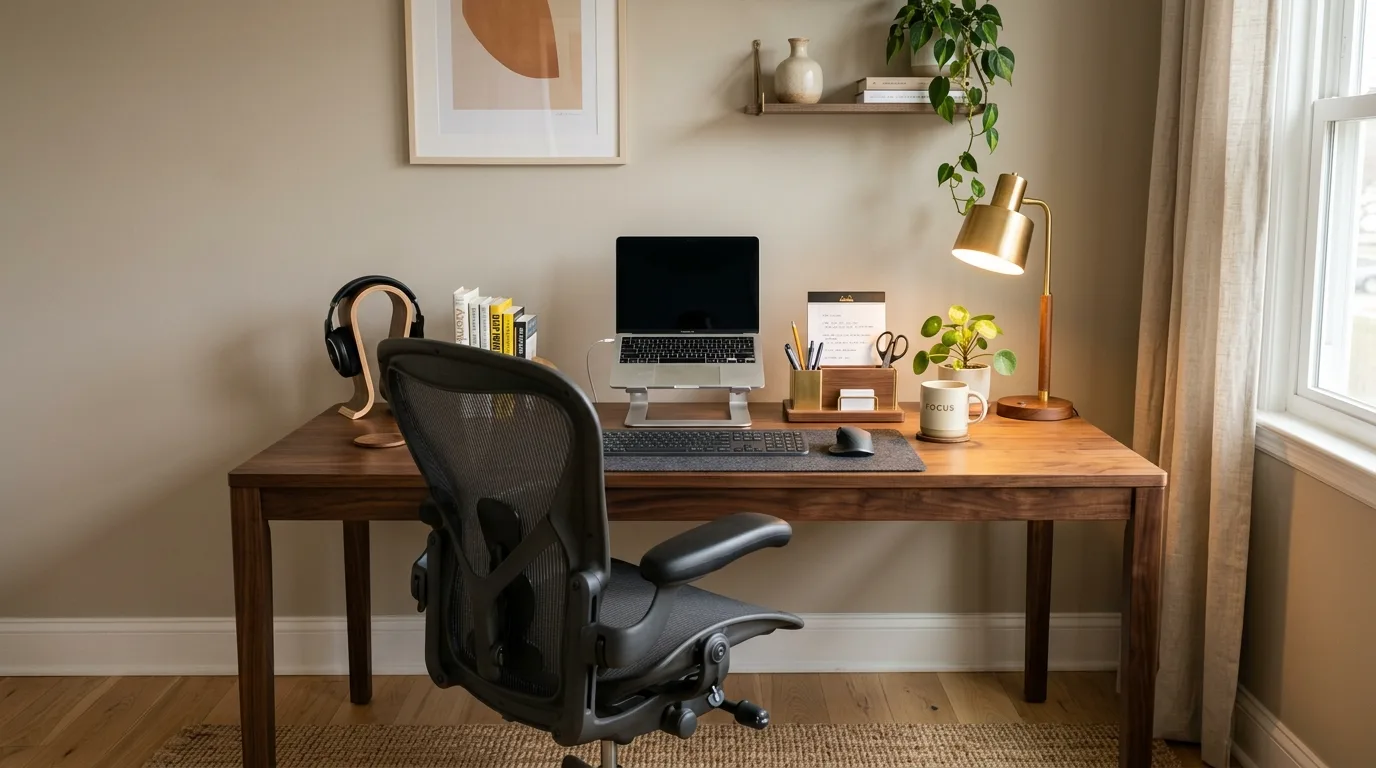
A clear desk area creates immediate mental relief because it lowers friction before the workday even begins. When your main surface feels open, it becomes easier to focus and easier to start.
This does not mean the office has to feel empty. It simply means the primary work zone should feel intentionally uncluttered.
2. Use Decor That Sparks Ideas Without Noise
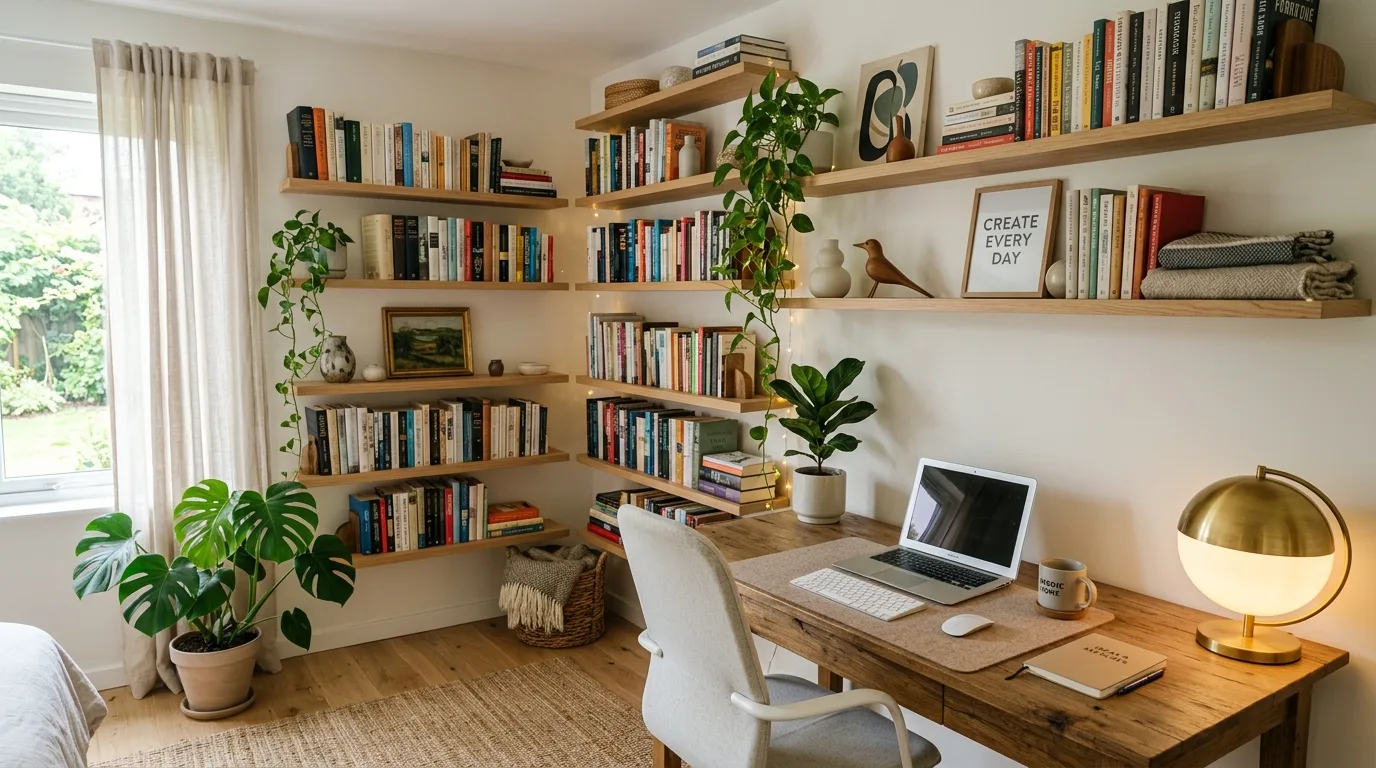
Decor in a creative workspace should energize you without pulling your attention away from the work itself. A few meaningful objects, prints, or materials can inspire thought without becoming visual noise.
This is where curation matters more than quantity. The right pieces do more than a room full of random motivation.
3. Make Natural Light Part of the Setup
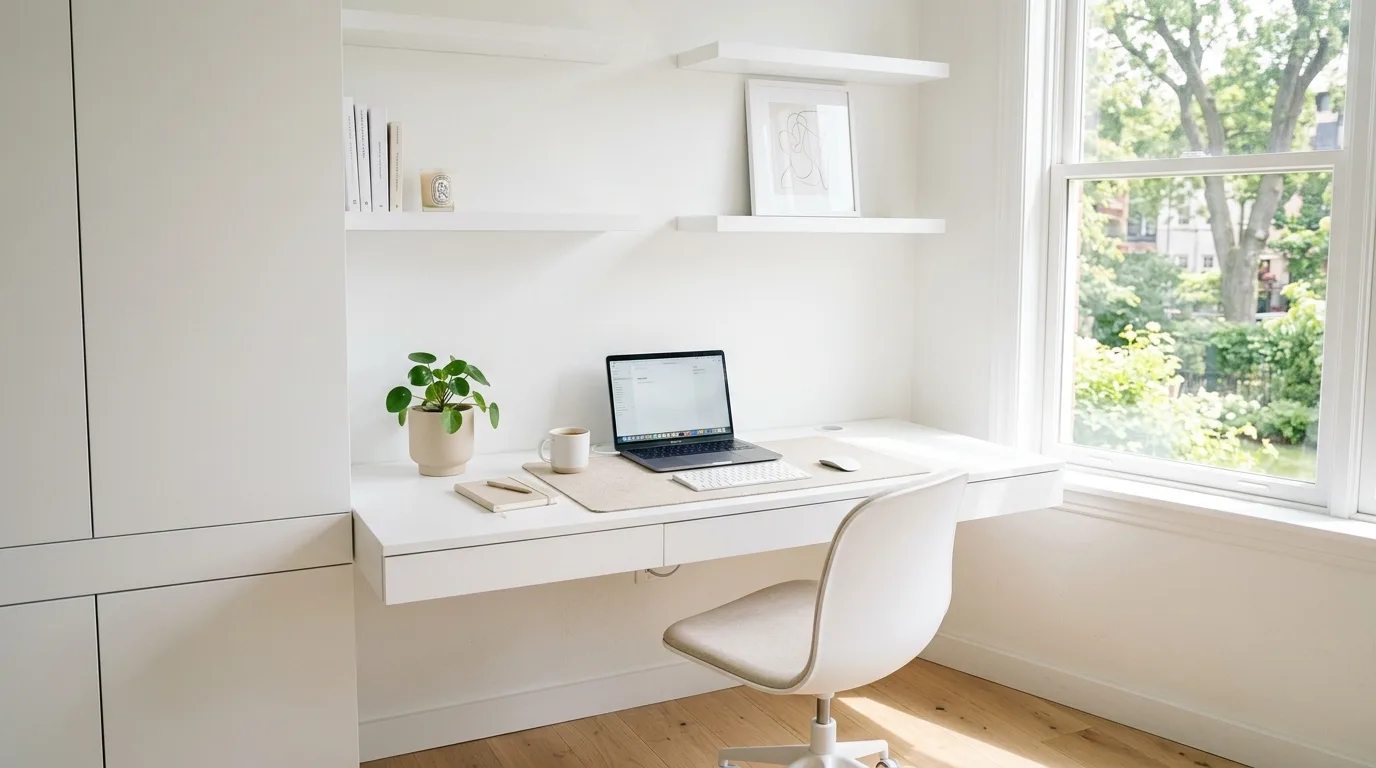
Natural light can transform an office because it improves mood, supports alertness, and makes the room feel more alive. A workspace placed with light in mind often feels easier to return to every day.
This is especially important for creativity, which tends to suffer in spaces that feel dim or boxed in. Light keeps the room mentally open.
4. Use Storage That Hides Friction
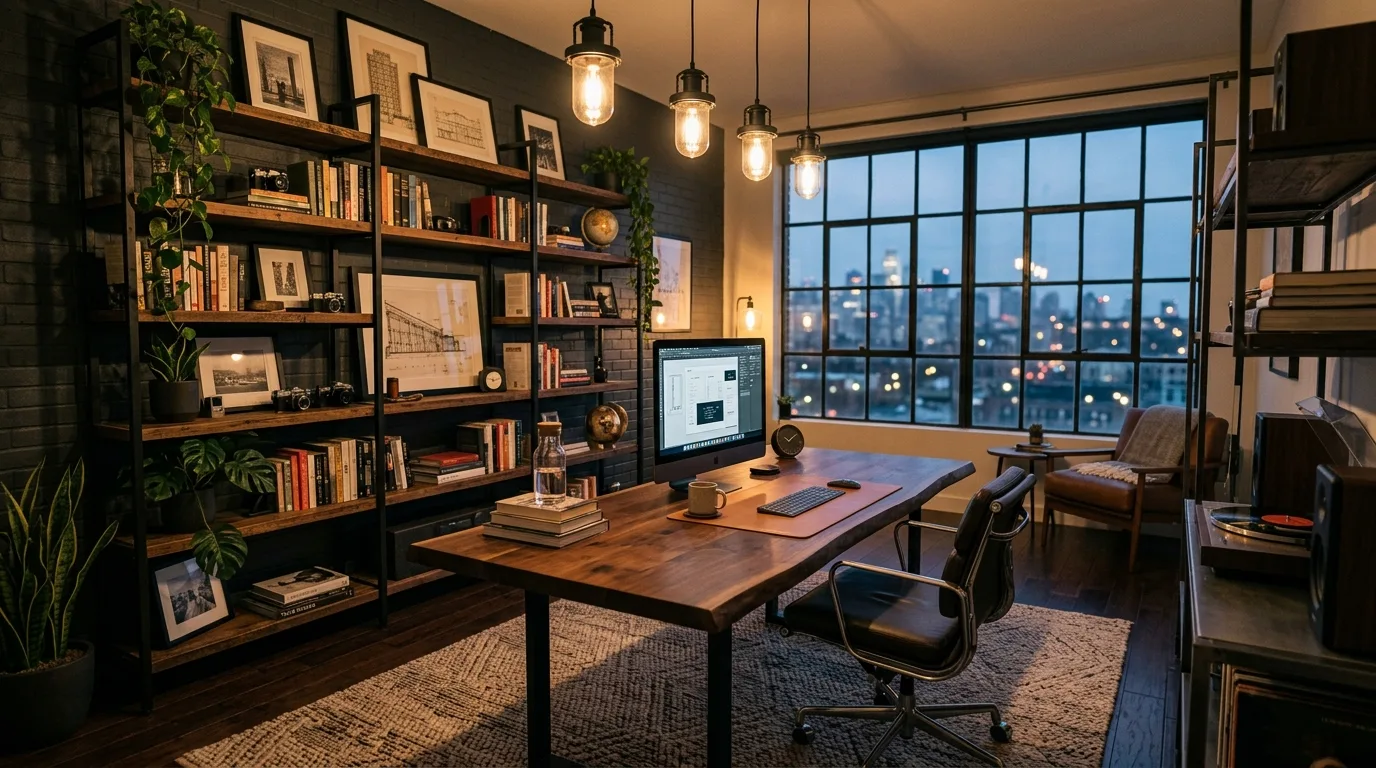
Good storage does more than reduce mess. It removes little points of friction that slow you down, whether that means tangled cords, floating papers, or supplies without a home.
This is one of the quiet secrets of a productive room. The less energy you spend managing disorder, the more energy you have for actual work.
5. Choose Colors That Support Focus
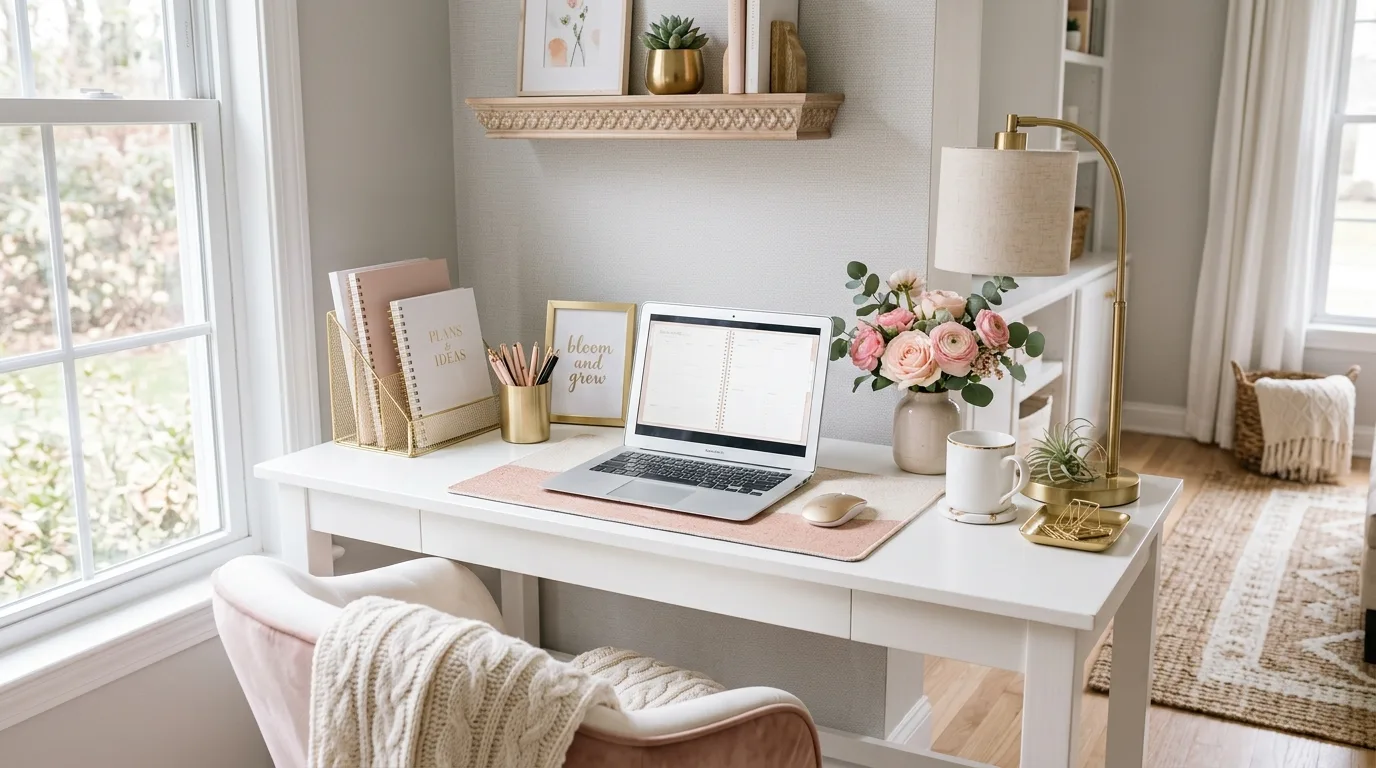
Color plays a bigger role in concentration than people often expect. Calm grounded tones can support focus, while a few brighter accents can keep the space from feeling flat or sleepy.
This balance is part of what makes an office both productive and creative. The room needs stimulation, but not overload.
6. Bring In One Strong Creative Focal Point
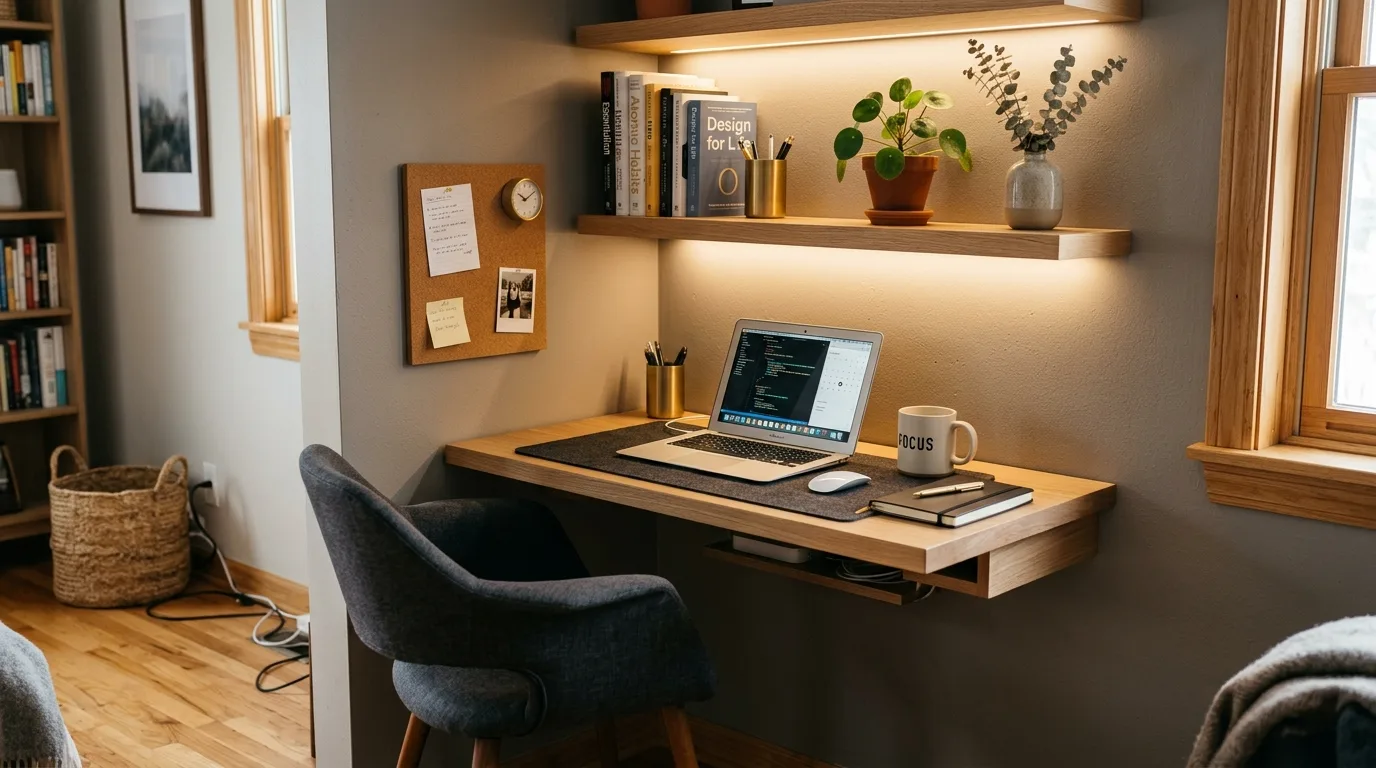
One strong focal point, such as a piece of art, a statement lamp, or a beautiful wall treatment, can give the office energy without turning every surface into a project. It helps the room feel thoughtful and alive.
This is often more effective than filling the office with too many competing details. Focused inspiration tends to work better than scattered stimulation.
7. Keep Everyday Tools Within Reach
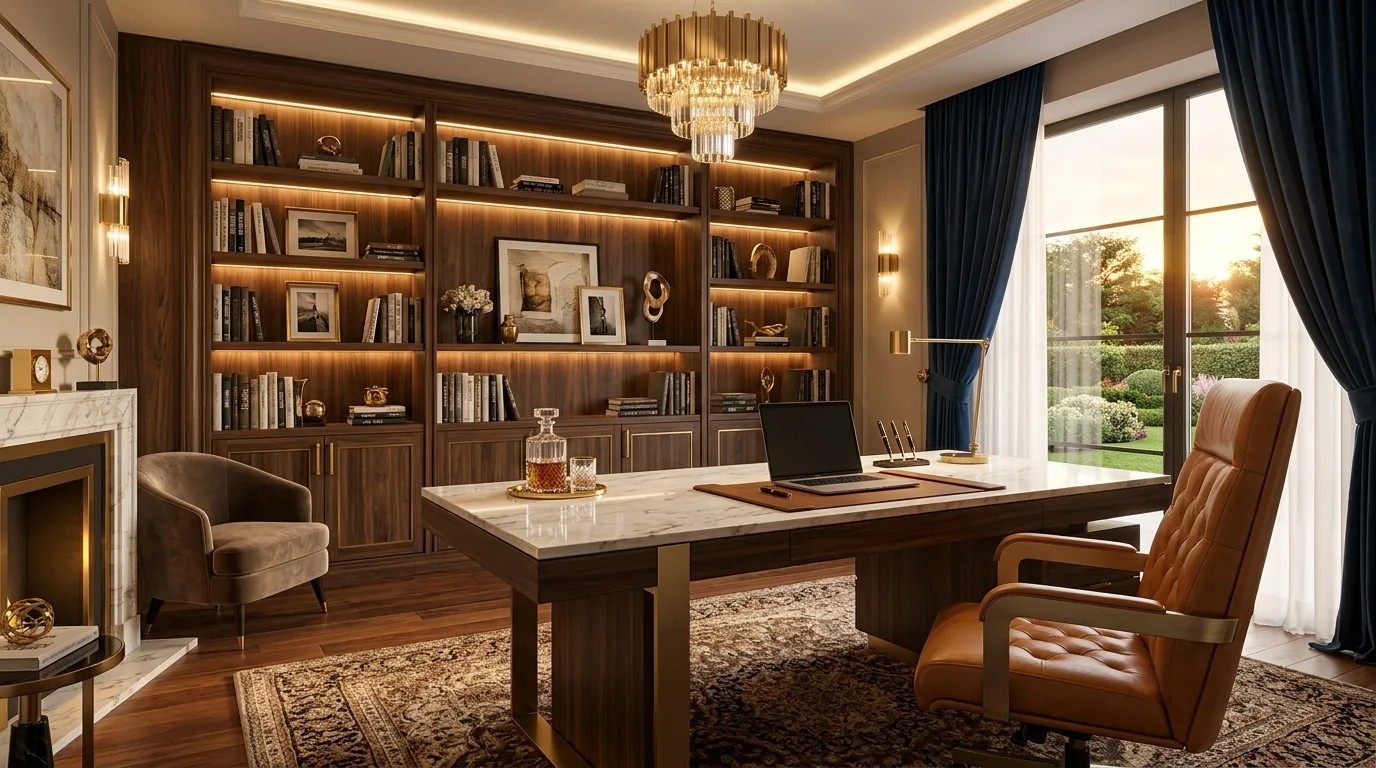
A productive office supports flow, which means your most-used tools should be easy to access without interrupting your concentration. Layout matters just as much as appearance when it comes to actual work.
This kind of ease makes the workspace feel more supportive. Small practical wins add up quickly over a long day.
8. Use Texture to Make the Room Feel Human
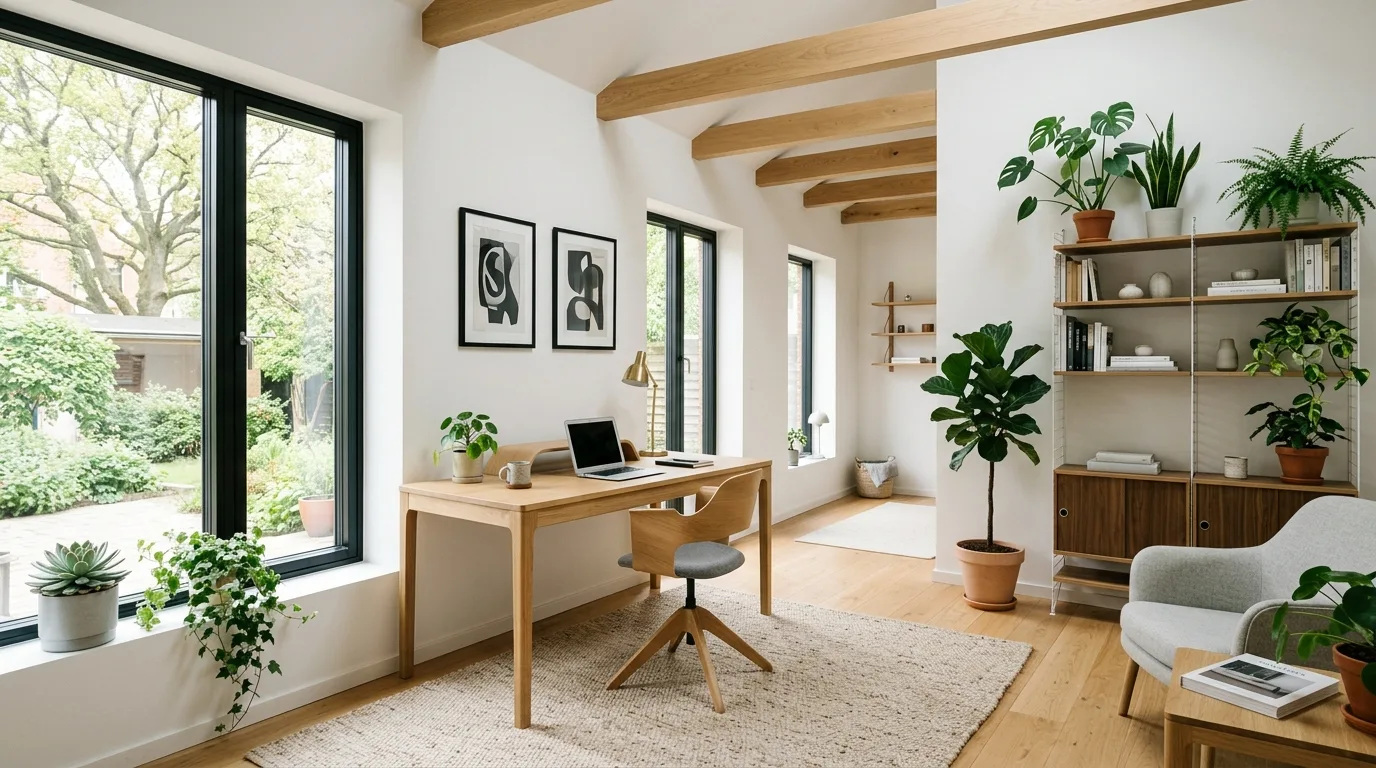
Texture keeps a home office from feeling sterile by adding warmth through rugs, wood, fabric, or natural materials. A space that feels human is easier to stay in for long stretches of concentrated work.
This is particularly important when productivity is the goal. Comfort supports endurance more than stark perfection does.
9. Create a Workspace That Feels Focused and Alive
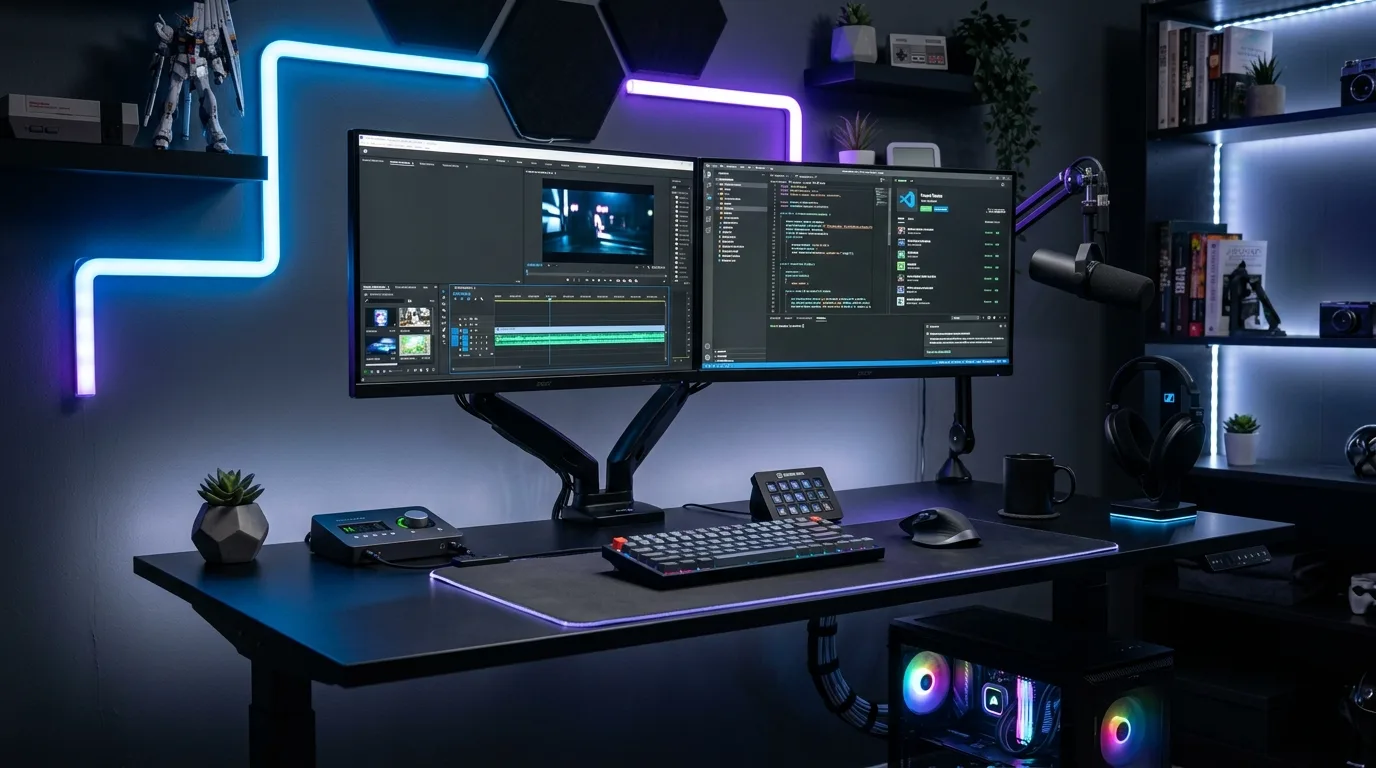
A productive home office feels best when focus and inspiration are allowed to coexist through calm structure, smart storage, and just enough personality. The result is a room that helps you think clearly while still giving your creativity room to move.
Rooted in creativity and guided by style, The Garden Blueprint is your go-to destination for turning houses into warm, welcoming homes one thoughtful detail at a time. That same point of view shapes this office, creating a workspace that feels focused, energizing, and beautifully made for creative work.